🇺🇸 50% OFF - FLASH SALE - SAVE $449.50! 🇺🇸
Celebrate Labor Day Weekend and enter coupon code LABORDAY at checkout to save. Valid September 5-8, 2026

Clear Vision, Better Life
Experience Expert Eye Care for a Brighter Future
Your eyes deserve the best care! Our expert optometrists provide comprehensive eye exams, personalized vision solutions, and high-quality eyewear to help you see the world more clearly.
Canine Myofascial Course
When You Know Better - You Do Better!
Learn The Tools You Need To Build A Successful Integrative Canine Practice
If all you have is a hammer, everything looks like a nail. The more tools you have in your toolbox the more effective you are as a practitioner.
ㅤ
In this course, we cover the physiology of muscle and fascia, the intricacies of myofascial pain and we will teach you different palpation and diagnostic techniques and go through each large muscle and some of the trigger points that affect them.
ㅤ
There are multiple videos detailing various treatment techniques- dry needling, cupping, kinesiotaping, laser, extracorporeal shockwave, IASTM, and more.
ㅤ
By the end of the course, you should feel confident in using these modalities and techniques and be able to apply them in practice. This course is best suited to a practitioner who has a hunger for knowledge and wants to improve the lives of their patients.
Outline of the 72 Lesson & Quiz Modules
This course will enhance your current skill set so that you will be competent and confident in your ability to identify and treat myofascial dysfunction, pain and trigger points in dogs. This course aims to enhance your practical knowledge and application in a clinical setting without needing more treatment time.
Course Introduction
This is a foundational course where you will learn the function of muscle and fascia and the principles of myofascial trigger points and myofascial pain syndromes.
ㅤ
The skills to palpate, diagnose and treat these myofascial dysfunctions are fundamental as well as deep diving into the different treatment techniques and how they are used effectively.
ㅤ
We will cover 20 + muscles, going over basic physiology and the major trigger points that are often located there. There are many bonus videos.
Muscle and Myofascial Trigger Points
This section covers the fundamental functions and characteristics of muscles, differentiating between phasic muscles (fast-twitch, movement-oriented) and tonic muscles (slow-twitch, posture-oriented). It also describes the palpable differences between normal, healthy muscle tissue and abnormal, dysfunctional muscle tissue.
Fascia
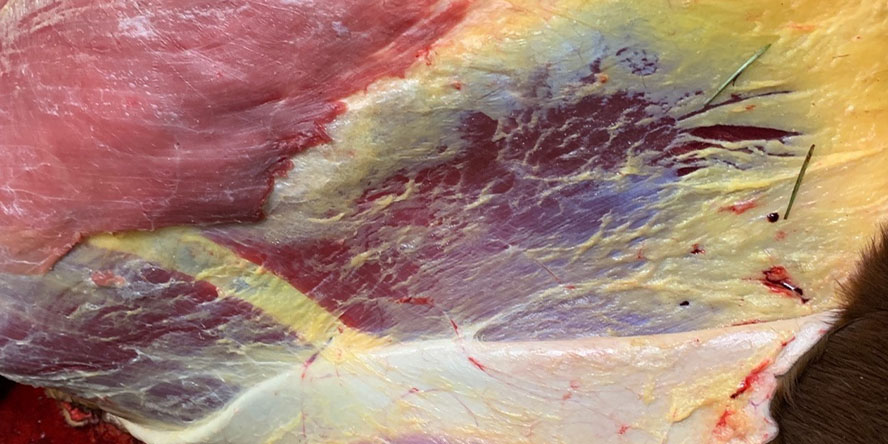
This section details the five key functions of fascia - protecting, surrounding, separating, supporting, and communicating - highlighting its role as a continuous connective tissue matrix that transmits muscle force and acts as a sensory organ.
ㅤ
It also explains how dense or damaged fascia can lead to adhesions, impaired movement, and pain due to improper healing and compromised nervous system feedback.
Myofascial Pain
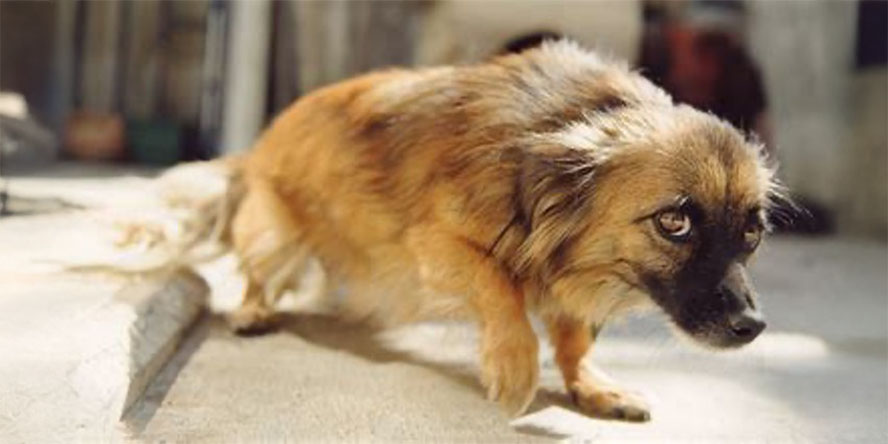
Myofascial pain stems from "trigger points," hyperirritable spots within taut muscle bands that cause referred pain, meaning the pain is felt in an area away from the actual trigger point.
ㅤ
These points are associated with dysfunctional muscle activity and nerve sensitization, leading to a cycle of pain and dysfunction that can also impact emotional well-being.
Pain Pathways
In order to treat pain we need to understand what the ascending and descending pathways are. This sections covers this and more.
Gait
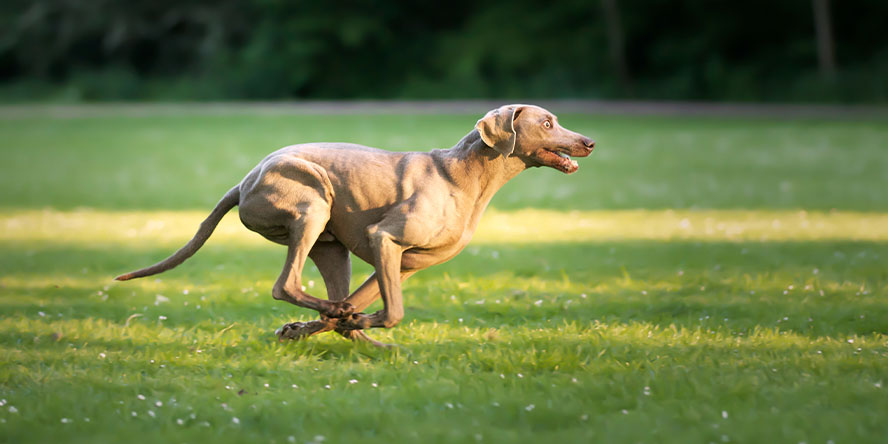
Assessing gait is an important aspect of what we do as rehabilitation therapists. Learn how to assess this on a biomechanical level.
Palpation
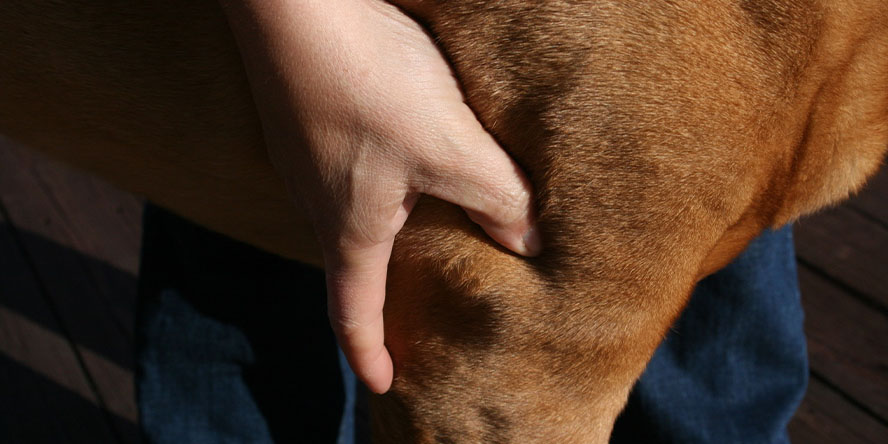
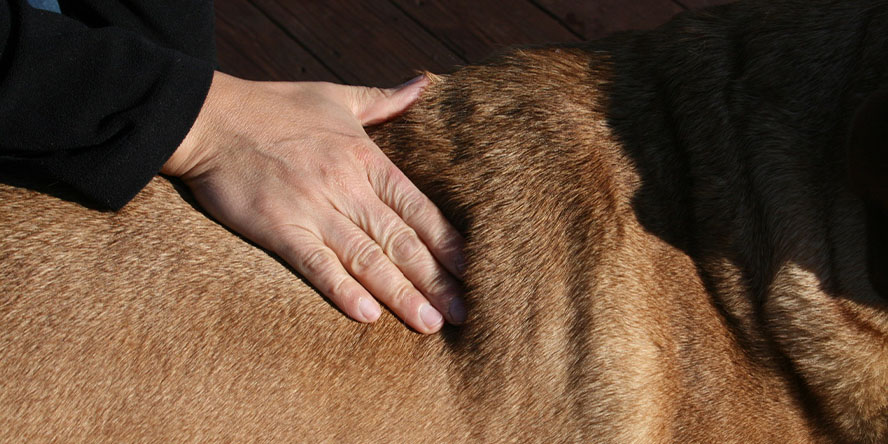
Using techniques like flat, pincer, and deep palpation, is crucial for assessing muscle and fascia. Effective palpation requires a thorough understanding of anatomy, keen observation (looking and listening), and attention to muscle tone, puckering, and mobility, all while considering the patient's history and gait.

Diagnosis
Diagnosis involves careful observation, active listening, and clear communication with the patient about the examination process and expected outcomes.
ㅤ
It emphasizes effective palpation and the understanding that patient issues are rarely solely functional or structural, but almost always a combination of both.
Treatment
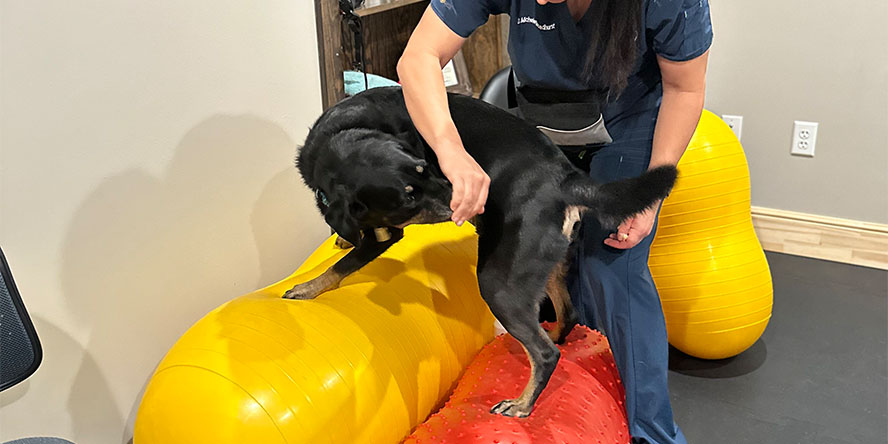
There are many different treatment options to choose from, this section covers a few tips to ensure a great response from any treatment protocol that you perform on your patient.
How to Treat Myofascial Trigger Points
Treating myofascial trigger points (MFTPs) involves addressing both the underlying cause and concurrent functional and structural dysfunctions, as these account for a significant portion of muscle pain.
ㅤ
Treatment aims to alleviate weakness, improve range of motion, and correct altered gait and compensations resulting from MFTPs, which can arise from acute functional muscle disorders or structural muscle injuries.
Acupuncture vs. Dry Needling
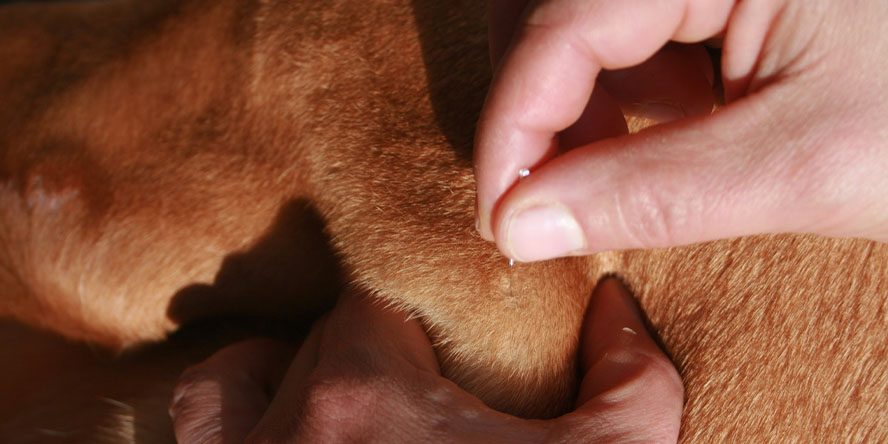
Acupuncture and dry needling both use thin needles for therapeutic purposes, but they originate from distinct philosophical frameworks.
ㅤ
Western acupuncture and dry needling primarily focus on musculoskeletal and neurological principles, targeting specific myofascial trigger points to relieve pain and improve muscle function.
Moxibustion
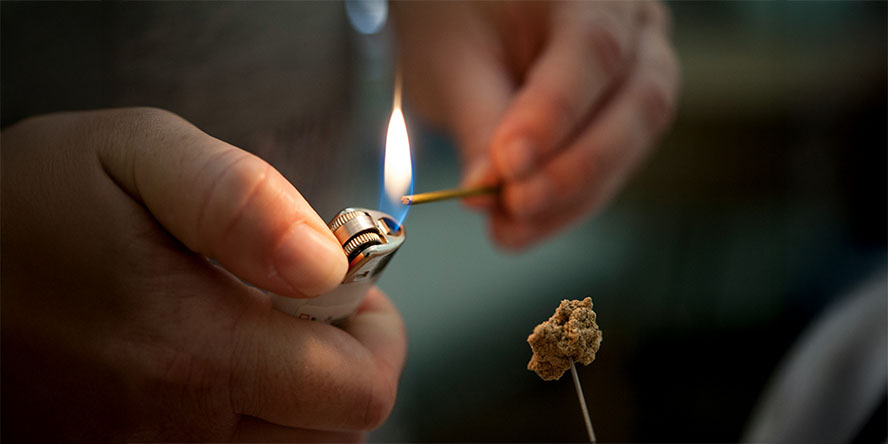
Learn that Moxa is made out of mugwort, it is essentially used for moving stagnation, and more.
ㅤ
One needs to be careful when performing moxibustion as it is exceptionally hot and can burn the patient, even without contact.
Needling Protocols
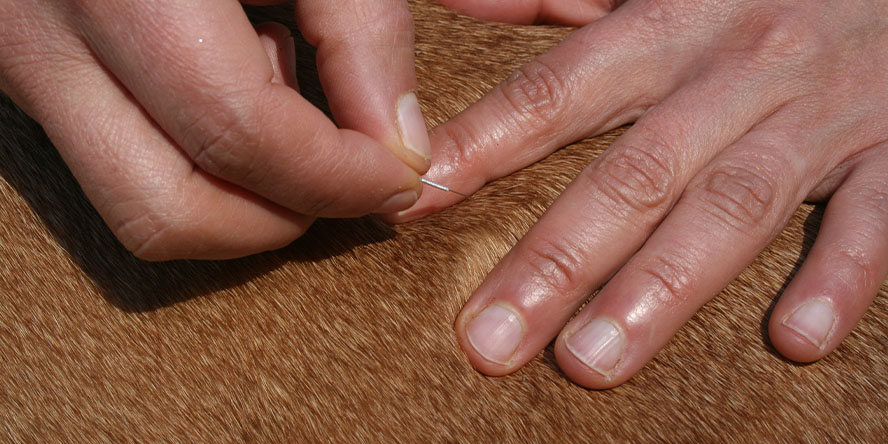
Needling protocols emphasize patient positioning (neutral or injury-specific), careful needle selection based on depth and area, and thorough cleansing of the site.
ㅤ
Localization of myofascial trigger points (MFTPs) is crucial, followed by precise needle insertion and fanning to feel for tissue changes, with strict no-reuse policies.
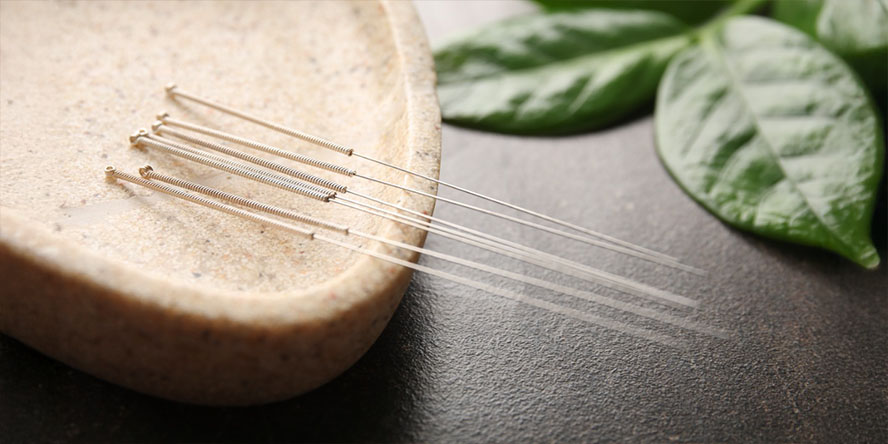
Needle Safety and Considerations
It is important to weigh up the pros and cons when choosing a treatment technique, understanding risks and contraindications is essential to making good decisions for your patients.
Laser
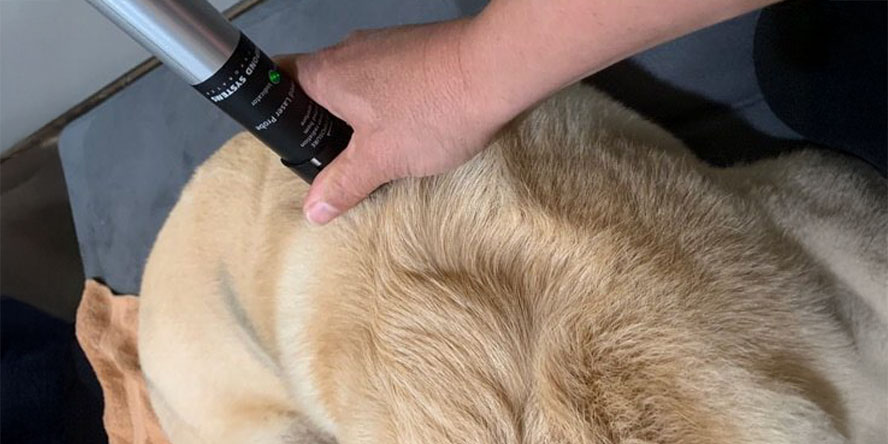
Laser therapy utilizes specific wavelengths of light to elicit biological effects on cells, with different colors causing distinct tissue reactions.
ㅤ
Lasers can be continuous for chronic conditions or pulsed for acute issues, and it's crucial to avoid overstimulation as more energy is not always better.
Extracorporeal Shockwave Therapy (ESWT)
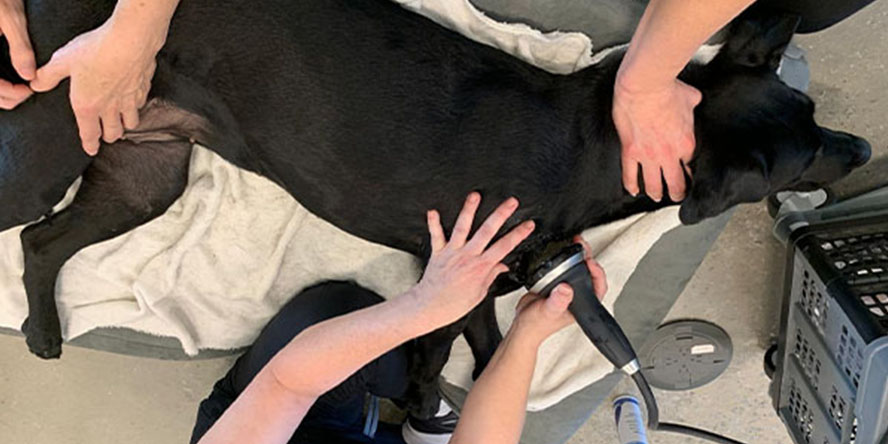
Shockwave therapy involves a significant distinction between radial (pressure waves) and focal shockwave machines, which differ in their energy delivery and penetration depth.
ㅤ
This therapy is highly effective for treating tendon and ligament injuries, osteoarthritis, sensory deficits, and non-healing fractures.
Massage
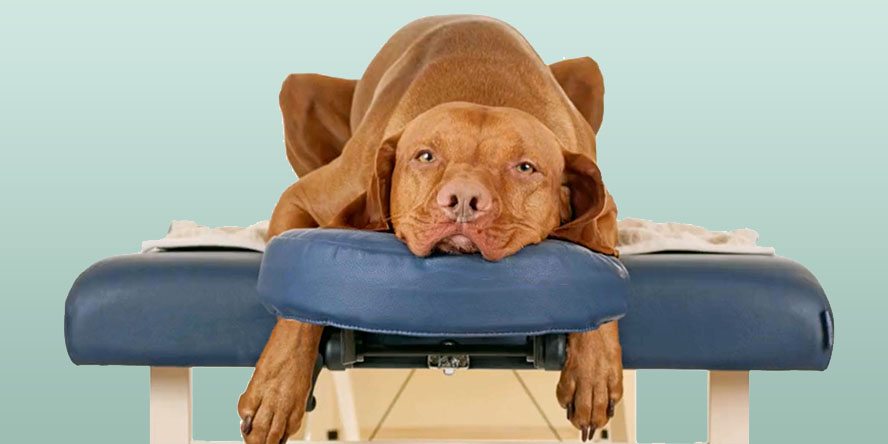
Massage can be incredibly relaxing and bonding for the practitioner and the dog if used correctly.
ㅤ
It has many benefits including increasing flexibility and blood flow.
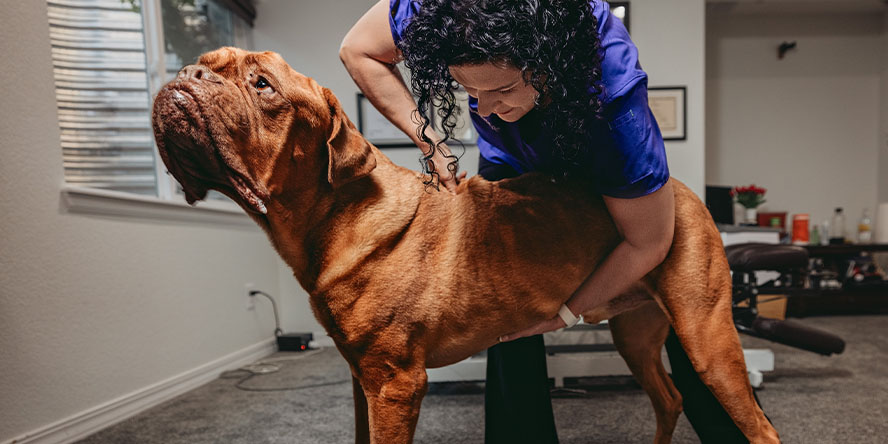
Manual Treatment
Manual therapy includes many different techniques including mobilizations and chiropractic adjustments.
ㅤ
These are not to be performed without further training and specialization in these techniques.
Other Therapies
Covering treatments and modalities that are generally lesser used. Includes electrotherapies, physical and manual therapies, kinesio-taping, ultrasound, Pulsed Electromagnetic Field (PEMPF), instrument-assisted soft tissue mobilization, cupping, NMES and TENS.
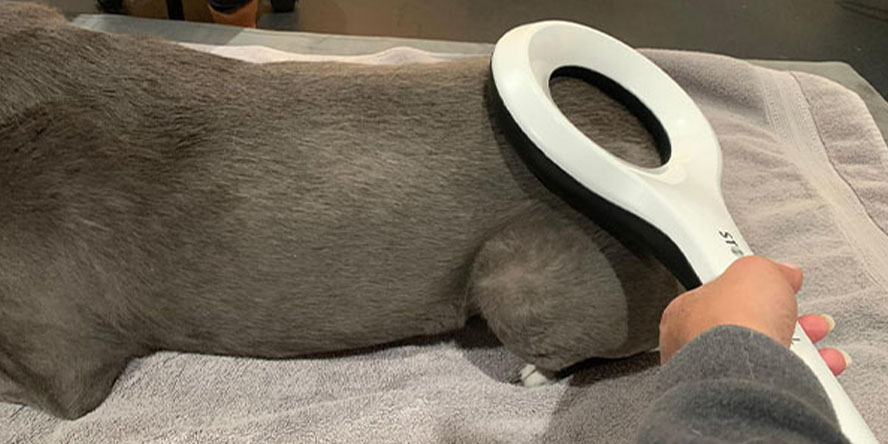
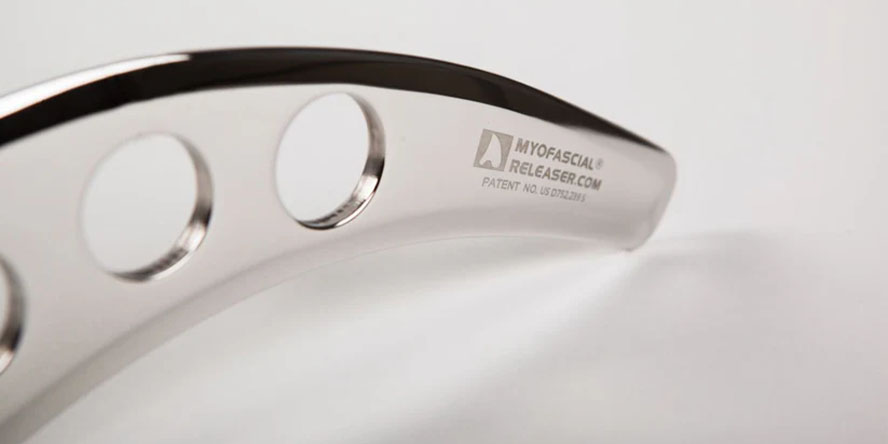
Instrument Assisted Soft Tissue Mobilization
Instrument assisted soft tissue mobilization is a fast and effective way of releasing fascia.
Stretching Techniques
A review of this important therapy includes static-, passive-, and dynamic stretching. Also with video demonstrations.
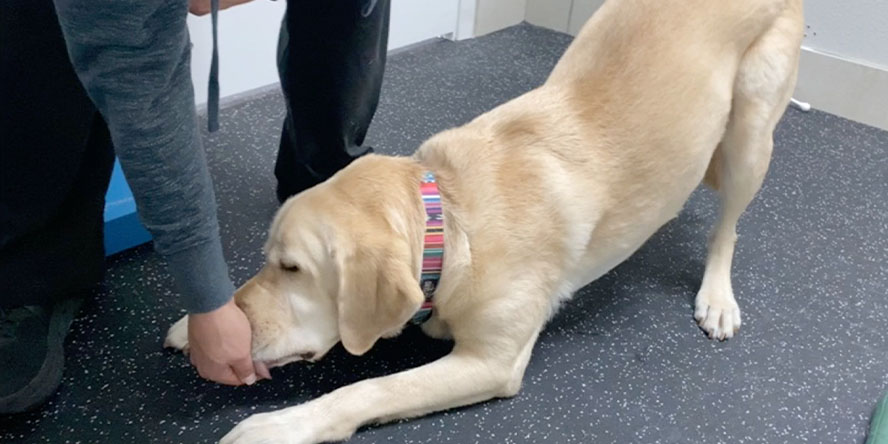

Traction
Caution is necessary when using traction, too much force may result in pain and further dysfunction. Always work within the parameters that the animal will allow.
Active & Passive Range of Motion
Active ROM is when the action is done by the dog itself vs the practitioner performing it for them. This section explores different methods in this therapy.
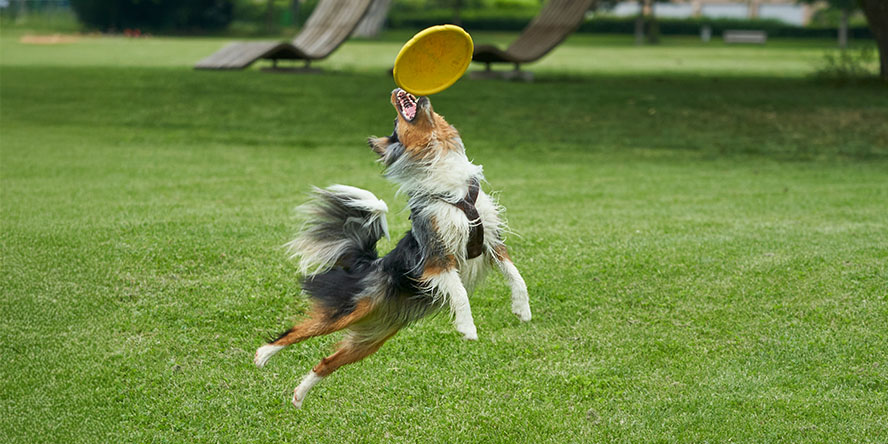
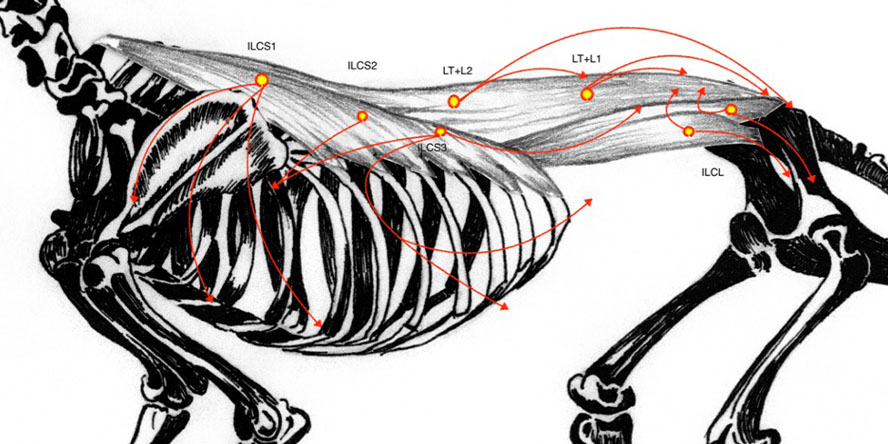
Trigger Points Theory
For forelimb and hindlimb muscles. Followed by neck, hindlimb and forelimb muscle video sections in this course.
ㅤ
Additional videos include spinal needling, shoulder muscles review, sartorius and gracilis needling, and other needling techniques.
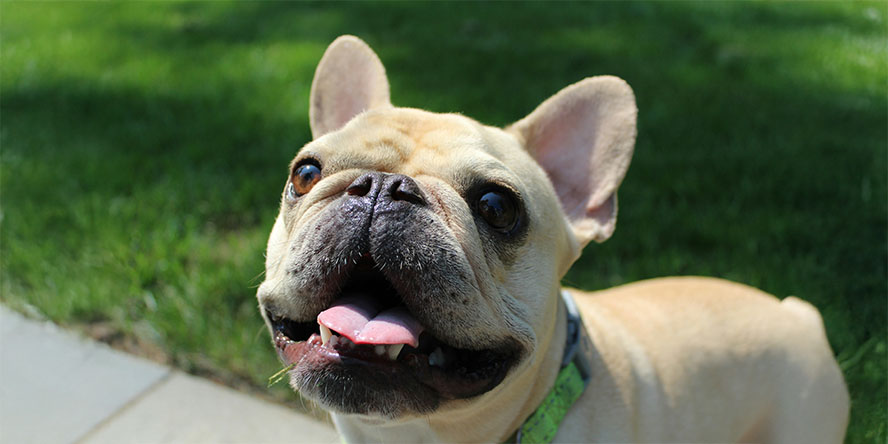
Neurological Examination of the Canine
A neurological examination should be performed on every new patients and repeated frequently if any positives are found.
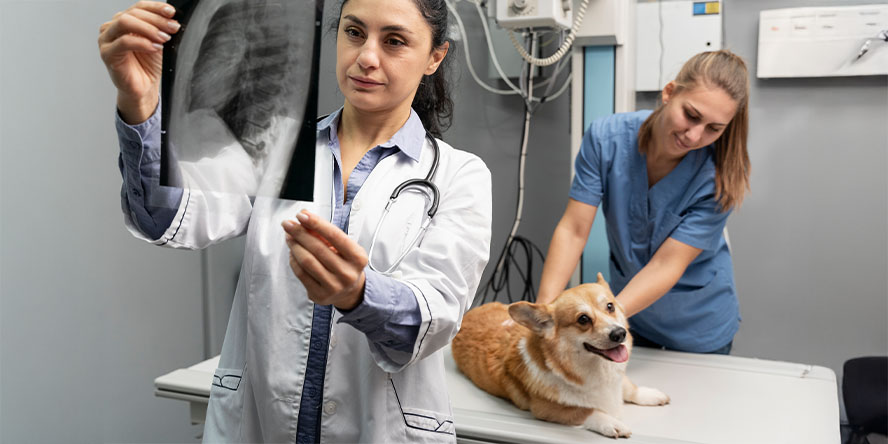
Orthopedic Examination of the Dog
Outlines for evaluations on assessing various parts of the canine body and potential treatment therapy options.
Quizzes Included
Each section of the course includes a quiz you can take at your own pace.

Happy Studying
Learn the tools you need to build a successful integrative practice that makes you and your patients happy.
ㅤ
The course can also be sent as a gift to a friend or directly to your technicians.


